Journal
Websites for spin-outs and tech firms: explaining complex work clearly
Technical businesses often struggle to explain what they do. A good website starts with the problem you solve, not the technology.
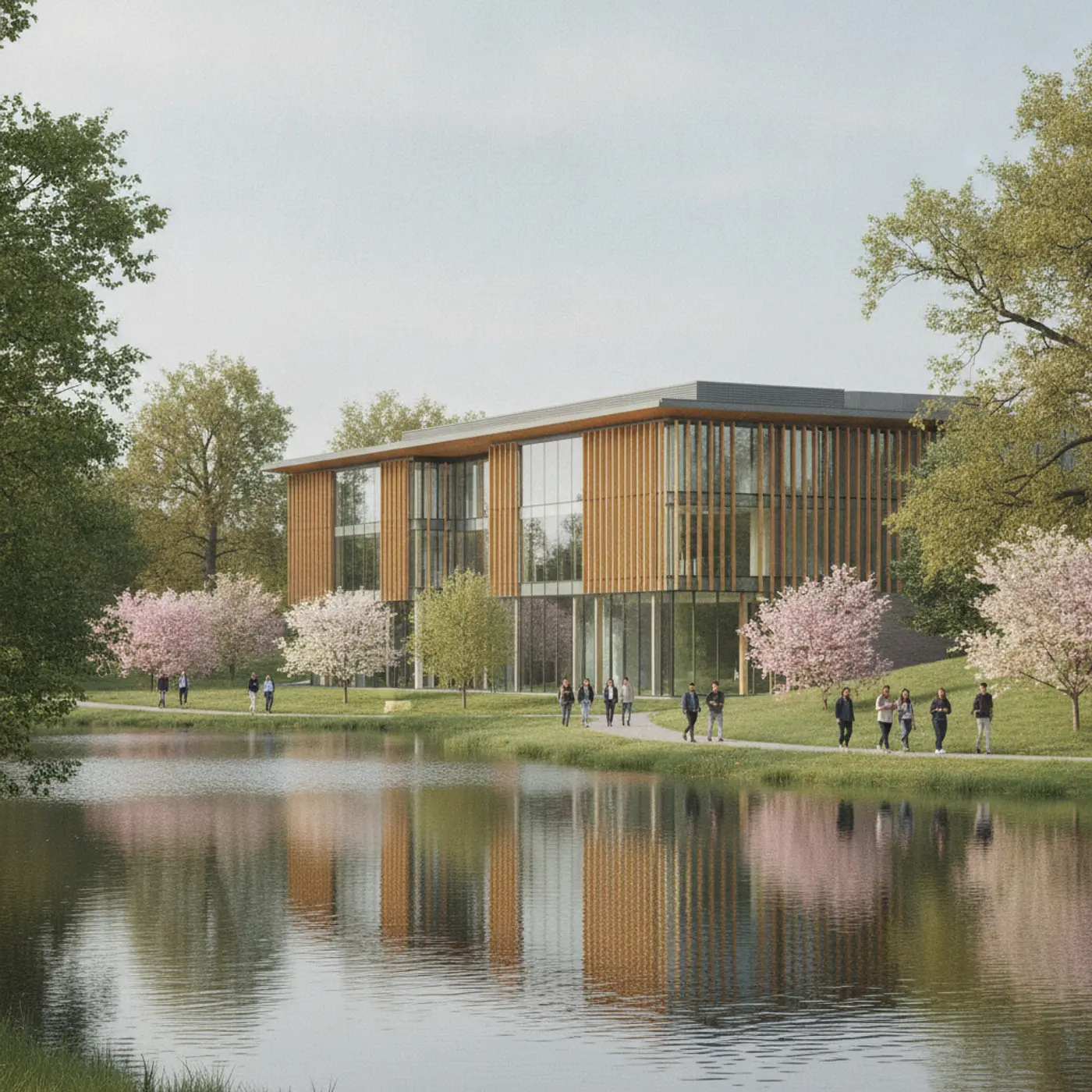
Colchester has a cluster of technical and research-led businesses, many of them connected to the University of Essex. The university's Knowledge Gateway is a research and technology park on its Colchester campus, aimed at science, technology and digital creative companies, alongside start-ups growing out of academic research.
These businesses often have brilliant products and confusing websites. The founders know the work inside out, which makes it hard to see it the way a customer or investor does. Here is how to fix that.
The curse of knowledge
When you have spent years on a piece of research or a product, the vocabulary feels normal. To someone landing on your site for the first time, it is a wall of jargon. They have a few seconds to work out three things:
- What problem do you solve?
- Is it a problem I have?
- Why should I trust you to solve it?
If the home page leads with the name of an algorithm or a list of technical features, most visitors never get to the answers. They are not stupid; they are busy, and you have not yet given them a reason to work hard.
Start with the problem
Lead with the outcome your customer cares about, in their words. Compare:
- "A multi-modal machine learning platform for signal classification"
- "Find faults in industrial equipment before they cause downtime"
The second tells a plant manager immediately whether to keep reading. The technical detail still belongs on the site, further down and on dedicated pages, for the people who need it.
A useful exercise: ask three customers or partners to describe what you do in one sentence. Their wording is usually better than yours, and it is the wording they will type into a search engine.
A worked example
Here is a hypothetical case to make this concrete. Imagine a three-person spin-out with software that analyses audio from hospital wards to flag patients who may need attention. The founders' first home page says:
"Novel acoustic event detection using deep convolutional architectures."
Accurate, but only a fellow researcher would keep reading. After a rewrite, the structure looks like this:
| Section | What it says | Who it serves |
|---|---|---|
| Headline | Alerts ward staff to sounds that may mean a patient needs help | Buyers |
| Three short points | How it fits existing workflows, what data it keeps, what a pilot involves | Buyers, evaluators |
| Proof | A plain description of the pilot so far, labelled as a pilot | Everyone |
| Routes | Use cases, technical overview, team, investors | Each audience |
| Next step | Book a 20-minute call | Buyers |
Nothing technical has been removed. It has moved to where the right person will look for it.
Write for more than one audience
Technical businesses usually have several audiences, and each needs something different:
- Buyers want outcomes, use cases, integration details, pricing approach and proof that it works.
- Technical evaluators want specifications, documentation, security information and methods.
- Investors want the market, the team's background, traction and the plan.
- Recruits want to know what it is like to work there and what problems they would tackle.
Trying to address all four on the home page produces mush. Instead, give each its own clear route: use-case pages for buyers, a technical overview for evaluators, a short company or investor page, and a careers page.
Use cases beat feature lists
A page for each industry or use case is one of the most effective things a technical business can add. Each page should describe:
- The specific problem in that sector
- How the product or service addresses it
- What the customer has to do to get started
- What kind of results they can reasonably expect
Be honest. If you have only run pilots, describe them as pilots. Investors and enterprise buyers check claims, and exaggerated numbers do more damage than modest true ones. Use-case pages also work well as focused landing pages for campaigns, events or a specific procurement round.
Show the people
Early-stage businesses are often bought on trust in the team. A clear team page with real photos, relevant backgrounds and links to published research or professional profiles gives buyers and investors confidence. Where a business has grown out of university research, explaining that background in plain language is a genuine strength.
Make the next step obvious
Technical sales rarely happen from a single visit. Offer a clear next step that suits where the visitor is:
- Book a demonstration
- Download a short technical summary
- Ask a question
- Join a mailing list for updates
Keep forms short. Asking for twelve fields before someone can see a demo puts off exactly the people you want. Name, email, organisation and a free-text box is usually enough to start a conversation.
Selling beyond Essex
Many technical firms sell nationally or internationally. Their website needs to work for a buyer in Manchester or Munich who has never heard of Colchester. That does not mean hiding where you are: being based at a university research park is a credibility signal. But the site should be positioned around the market, not the town.
At the same time, local visibility still matters for recruitment and partnerships. A clear location page and accurate business listings help the right people find you. Our local SEO work covers the basics without letting them take over a site built for a national audience.
Brand that matches the work
A start-up's first logo is often made in an afternoon. That is fine for a while, but when you start meeting enterprise buyers or investors, a home-made identity can quietly undercut a serious product. You do not need a large brand project. A clear wordmark, a restrained colour palette and consistent typography across the website, pitch deck and documents go a long way. See our branding page for how we approach small identity projects.
Technical foundations
Technical audiences notice technical details. A slow site, broken links or a missing security certificate undermine a technology business more than most. Make sure:
- Pages load quickly and work on any device
- The site is secure and properly maintained
- Documentation and downloadable files are easy to find
- Structured data describes your organisation and products
- Security and data-handling information is published, not just available on request
Keep it current
Start-ups change fast. Products evolve, teams grow, funding rounds close. Build the site so the team can update it without a developer, and set a reminder to review key pages every quarter. An out-of-date team page or a "coming soon" product from two years ago sends the wrong signal. A sensible maintenance plan takes care of updates and backups so the team only has to worry about the words.
Checklist for a technical business website
- The headline names a problem and an audience, not a technology
- Each main audience has its own route from the home page
- At least one use-case page per target sector
- Claims are accurate, with pilots described as pilots
- Team page with real photos and relevant backgrounds
- One clear, short next step on every page
- Technical overview and documentation easy to find
- Fast, secure and maintained
- Someone owns a quarterly review
Where to begin
If your website was built in a weekend when the company was founded, it is probably time for a rethink. Start by writing down the problem you solve, for whom, and why you are the right team. Then build the pages around that. If you already have a site with some traction in search, a website redesign can restructure it without losing what works.
The same principle applies well beyond tech. If you want a plain checklist for hiring help, read our questions to ask a web designer.
We help technical businesses in Colchester and further afield explain what they do, through website design, copywriting and focused landing pages. If you would like a fresh pair of eyes on your current site, get in touch.
More from the journal
A website checklist for Colchester restaurants, cafes and pubs
A practical website checklist for Colchester restaurants, cafes, pubs and bars: menus, bookings, opening hours, accessibility, local search and the details diners look for.
6 October 2026Websites for seasonal businesses on Mersea, in Tiptree and Dedham Vale
How seasonal businesses around Colchester, from Mersea cafes to Tiptree fruit growers and Dedham Vale B&Bs, can keep their websites accurate and earn bookings all year.
22 September 2026Google Business Profile: a practical guide for Colchester businesses
How Colchester businesses can set up and improve their Google Business Profile: categories, service areas, photos, reviews, posts and the common mistakes that cost local enquiries.
Got a website that needs to pull its weight?
Tell us what the business does and what the site needs to achieve. We reply within one working day with honest next steps.